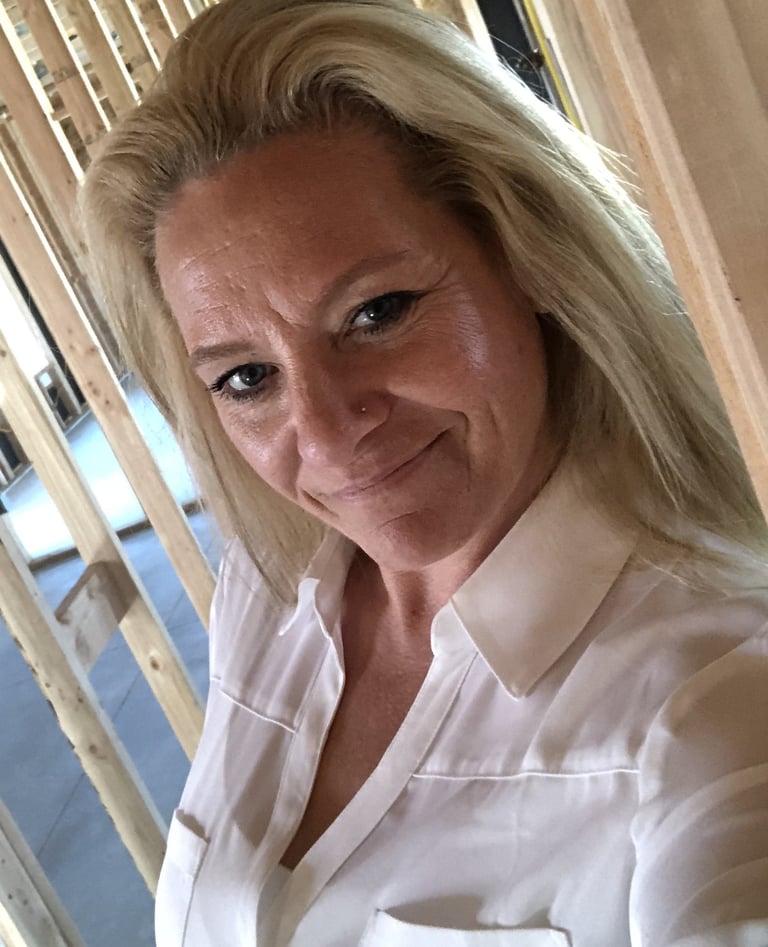
Meet Wendy Stanfill

Founder & Executive Director, Code Blueprint

Wendy Stanfill is a certified building safety inspector, fire inspector, and nonprofit founder whose life story is rooted in resilience, determination, and service. Born in Spokane and raised in Vancouver, Washington, Wendy’s early years were marked by challenges that forced her to grow quickly. She became a mother at 16, faced instability, and eventually made the courageous decision to rebuild her life from the ground up.

Her turning point came in Pahrump, Nevada, where she walked eight miles each way to interviews and appointments — refusing to let circumstances define her future. That determination led her to the EPA Brownfields Environmental Program, where she received the training that launched her career in building safety.

Over the next decade, Wendy became a respected inspector across Nevada and Arizona, earning multiple ICC certifications and serving as a Special Inspector, Fire Marshal Inspector, and Manufactured Housing Inspector. Her work protected communities, strengthened safety standards, and earned her national recognition — including induction into the Library of Congress as a Woman of Distinction.

Today, Wendy is the Founder and Executive Director of Code Blueprint, a nonprofit dedicated to expanding workforce access, safety education, and career pathways for underserved communities — especially women entering male‑dominated fields. Her mission is simple:

Give people the tools, training, and confidence to build a life they’re proud of.

Wendy continues to inspect buildings, speak at conferences, and mentor the next generation of inspectors. Her story is proof that with the right support, anyone can rise, rebuild, and lead.

“I don’t cut corners. I don’t walk away from people who are trying. I show up — because someone once showed up for me.”

Wendy

DA' FUNK - IN CODE

About Code Blueprint

Code Blueprint exists for the families who have been told to start over without ever being given the tools to begin. We are a community-rooted training and support organization that helps people rebuild stability, confidence, and opportunity after incarceration, crisis, or generational barriers. Our work is grounded in dignity, belonging, and the belief that every person deserves a real path forward.

We provide hands-on education, workforce readiness, and wraparound support that meets participants exactly where they are. Many arrive carrying the weight of systems that were never designed for them. At Code Blueprint, they find something different: a place that sees their potential, honors their lived experience, and equips them with the skills and support needed to move toward long-term economic mobility.

Our programs blend practical training, mentorship, and community connection with trauma-informed care. This integrated approach helps participants stabilize their lives, strengthen their families, and build the confidence to pursue sustainable employment and new opportunities.

We don’t just teach skills — we help people rewrite the story of what’s possible.

Every blueprint we build is a partnership. Every success is shared. And every investment in Code Blueprint directly fuels transformation for individuals who are ready to step into their future with courage, resilience, and hope.

Brainstorming Strategies for Community Engagement and Recruitment

Building a strong community presence and effectively recruiting participants are crucial for your nonprofit’s success.

1. School and Educational Institution Partnerships

a. Presentations and Workshops

  • School Assemblies:

    • Engage students with interactive presentations.

  • Career Days:

    • Showcase building inspection as a viable and exciting career path.

b. After-School Programs

  • Clubs:

    • Establish a "Future Builders Club" focusing on construction and code education.

  • Mentorship Circles:

    • Pair students with female professionals in the industry.

2. Leveraging Social Media and Online Platforms

a. Create Engaging Content

  • Videos:

    • Highlight day-in-the-life stories of female building inspectors.

  • Blogs and Vlogs:

    • Cover topics like "Top 5 Reasons to Become a Building Inspector."

b. Online Challenges and Campaigns

  • Hashtag Campaign:

    • #HerCodeHerFuture to raise awareness and encourage sharing.

3. Community Events and Activities

a. Interactive Workshops

  • DIY Home Projects:

    • Teach basic building skills to spark interest.

  • Code Exploration Days:

    • Hands-on activities related to building codes and safety.

b. Participation in Local Fairs and Festivals

  • Information Booths:

    • Distribute brochures and engage with community members.

  • Demonstrations:

    • Live demos of inspection tools and techniques.

4. Collaborations with Local Organizations

a. Youth and Community Centers

  • Program Integration:

    • Offer sessions as part of their existing programs.

  • Joint Events:

    • Host community clean-up or building projects.

b. Faith-Based Organizations

  • Outreach Programs:

    • Engage with congregations that have youth initiatives.

5. Alumni and Word-of-Mouth Networks

a. Success Stories

  • Testimonials:

    • Share stories of women who have succeeded in the field.

  • Alumni Ambassadors:

    • Graduates who can advocate and recruit on your behalf.

b. Referral Programs

  • Incentives:

    • Offer small rewards for current participants who bring in new recruits.

6. Addressing Barriers and Motivations

a. Transportation Solutions

  • Shuttle Services:

    • Provide transport to and from program locations.

  • Carpool Networks:

    • Coordinate amongst participants.

b. Flexible Scheduling

  • Weekend and Evening Classes:

    • Accommodate students with varying schedules.

c. Addressing Concerns

  • Parental Engagement:

    • Hold meetings to assure parents of program benefits and safety.

  • Cultural Sensitivity:

    • Be respectful and inclusive in all outreach efforts.

7. Engaging Media and Local Press

a. Press Releases

  • Highlight Milestones:

    • Program launches, grant awards, success stories.

b. Local News Features

  • Interviews:

    • Appear on local radio and TV programs to discuss the nonprofit.

c. Community Newsletters

  • Articles:

    • Regularly contribute updates and informative pieces.

8. Educational Incentives

a. Scholarships and Stipends

  • Financial Support:

    • Offer scholarships to alleviate any financial burden.

  • Completion Incentives:

    • Provide a stipend upon program completion.

b. Certifications

  • Immediate Benefits:

    • Emphasize the value of gaining ICC certification.

9. Utilizing Technology

a. Mobile Apps and Platforms

  • Communication:

    • Use apps like Remind or Slack for updates and engagement.

  • E-Learning:

    • Supplement in-person training with online modules.

b. Virtual Reality (VR) Simulations

  • Interactive Learning:

    • Simulate building inspections in a virtual environment.

10. Mentorship and Role Models

a. Big Sister Programs

  • One-on-One Support:

    • Pair participants with mentors for guidance.

  • b. Invite community members to participate.

Parent and Family Inclusion

  • Family Workshops:

    • Educate families about the importance of supporting young women in trades.

  • Celebration Events:

    • Host ceremonies recognizing participant achievements with families present.

Guest Speakers Series

  • Inspiration:

    • Invite successful women from various industries to speak.

Additional Innovative Ideas

Community Build Projects

  • Practical Experience:

    • Organize projects where participants help in constructing community spaces.

  • Visibility:

    • Showcase skills and create tangible benefits for the community.

Annual Competitions

  • Skill Challenges:

    • Host events where participants can demonstrate their knowledge.

  • Prizes and Recognition:

    • Award scholarships or tools to winners.

Collaborative Art Installations

  • Awareness Through Art:

    • Create installations that represent empowerment and building.

  • Community Involvement: